
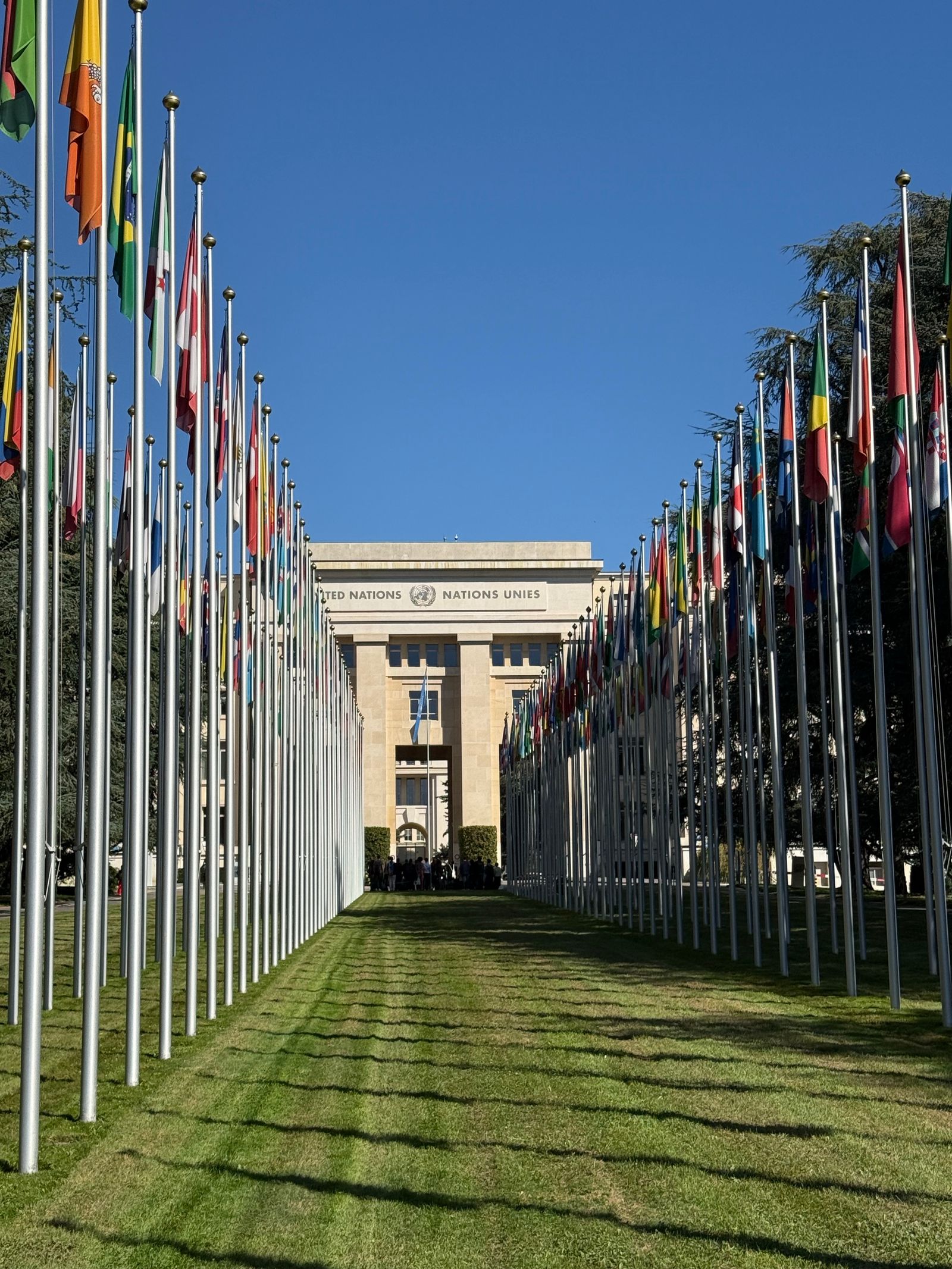
Understanding Swiss federalism means understanding why ordinary naturalisation takes time: three authorities intervene one after the other, each with its own role.
Swiss federalism in practice
Facilitated naturalisation falls within the exclusive competence of the Confederation: the application is sent directly to the State Secretariat for Migration (SEM) in Bern. Ordinary naturalisation, by contrast, is structured across three levels — commune, canton and Confederation. The Confederation lays down the formal principles and minimum requirements; the procedure is then governed by cantonal law.
Conditions under federal law
Applicants must hold a C permit and prove ten years of residence in Switzerland, including three of the five years preceding submission. The C permit must remain valid throughout the procedure.
In calculating residence, years spent in Switzerland between the ages of 8 and 18 count double, stays under an F permit count half, and stays under L, N and G permits do not count.
Conditions under cantonal law
Cantonal legislation also provides for a minimum residence period of two to five years in the commune and canton. The competent cantonal authority examines whether the person meets the formal conditions, whether their integration is successful and whether they are familiar with living conditions in Switzerland, then records its findings in an investigation report. The canton may set additional integration requirements.
If the canton — and, where cantonal law provides for it, the commune — issues a favourable opinion on granting citizenship, the application is forwarded to the SEM together with the investigation report, at the end of the cantonal review.
Federal naturalisation authorisation
- Their integration is successful
- They are familiar with living conditions in Switzerland
- They do not endanger Switzerland's internal or external security
If all formal and substantive conditions are met, the SEM grants federal naturalisation authorisation and forwards it to the cantonal authority, which issues the naturalisation decision.
The cantonal naturalisation decision
The cantonal authority issues its decision within one year of the federal authorisation being granted. After this deadline, the federal authorisation lapses. It refuses naturalisation if, after federal authorisation has been granted, it learns of facts that would have prevented it from issuing a favourable opinion. Communal and cantonal citizenship, as well as Swiss nationality, are acquired when the cantonal decision becomes final.
One point of contact for all three levels
With a signed power of attorney, we handle exchanges with the communal, cantonal and federal authorities, and follow your file through to the final decree.
Discover the full administrative service